Uninterrupted Power Supply in UAE: A Smarter Approach to Reliable Power Protection
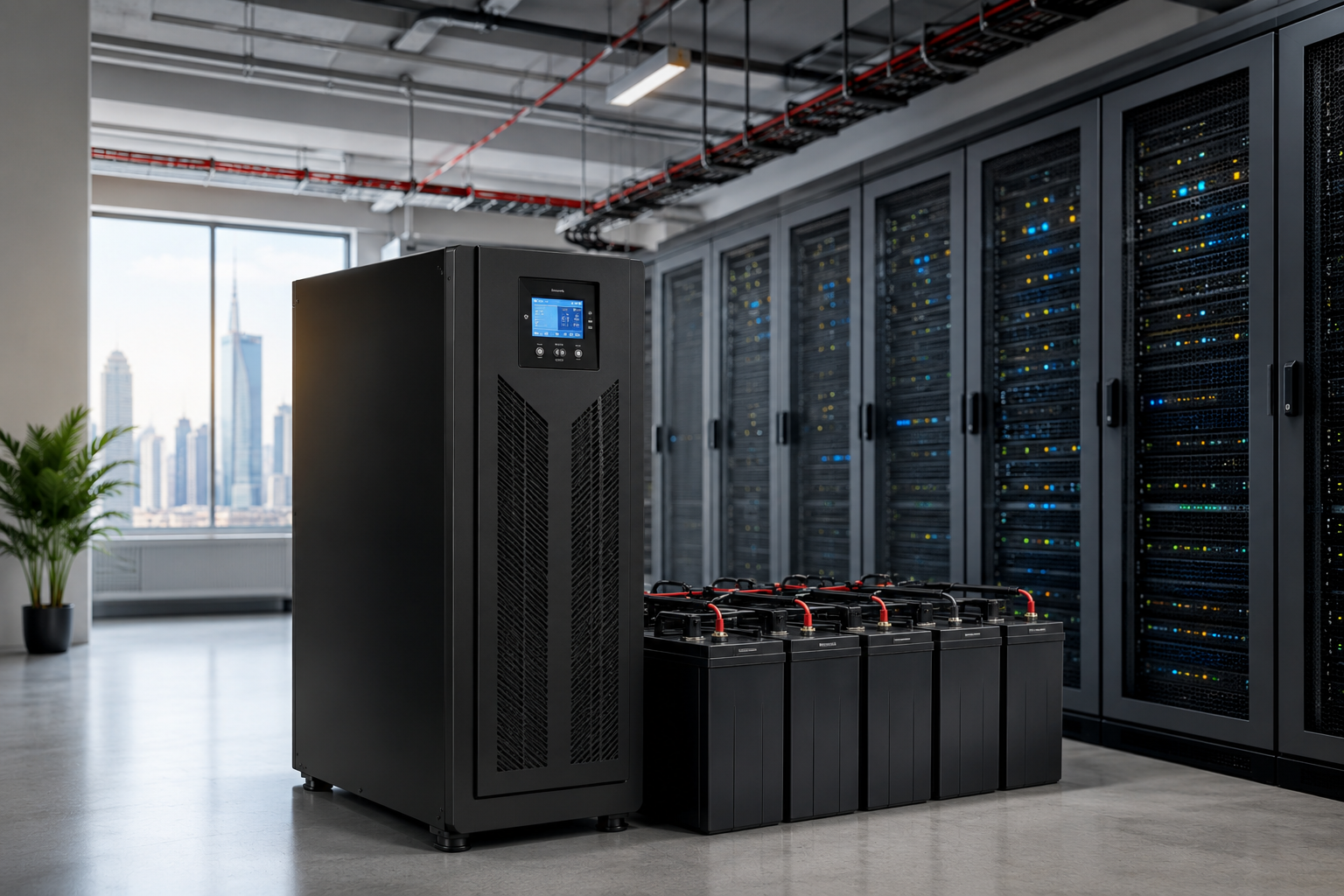
Reliable electricity is essential for modern businesses. In the UAE, offices, hospitals, data centers, hotels, retail facilities, factories, and commercial buildings depend on electrical equipment throughout the day. Even a short power interruption can affect operations, damage sensitive equipment, or cause data loss.
This is why an Uninterrupted Power Supply in UAE is an important part of modern power protection. A UPS provides backup power immediately when the main supply fails while also helping protect connected equipment from certain electrical disturbances.
What Is an Uninterrupted Power Supply?
An Uninterruptible Power Supply, commonly called a UPS, is a backup power system that provides temporary electricity to connected equipment when the primary power source becomes unavailable or unstable.
Unlike a conventional generator, a UPS can respond almost instantly to a power interruption. Depending on the system design and battery capacity, it can keep essential equipment operating until the main supply returns or another backup source takes over.
Modern UPS systems can also provide functions such as voltage regulation, power conditioning, monitoring, and controlled shutdown.
Why Businesses in the UAE Need UPS Protection
The UAE has a highly developed power infrastructure. However, businesses still need protection against unexpected interruptions, voltage fluctuations, electrical disturbances, and equipment failures.
For a company operating critical digital or industrial systems, downtime can be expensive.
An Uninterrupted Power Supply in UAE can help businesses maintain continuity for important equipment such as:
- Servers and networking equipment
- Data centre infrastructure
- Medical equipment
- Security systems
- Industrial automation systems
- Communication equipment
- POS and retail systems
- Building management systems
- Control panels and monitoring equipment
The right UPS solution provides an additional layer of protection between the electrical supply and critical loads.
Key Benefits of a UPS System
1. Continuous Backup Power
The primary purpose of a UPS is to provide immediate backup power when the main supply is interrupted. This helps prevent sudden shutdowns of essential equipment.
2. Protection for Sensitive Equipment
Modern electronic equipment can be affected by voltage fluctuations, surges, and other power-quality problems. A suitable UPS can help deliver cleaner and more stable power to connected loads.
3. Reduced Downtime
Unexpected downtime can interrupt production, communication, transactions, and business services. UPS backup gives organizations valuable time to maintain operations or safely switch to another power source.
4. Data Protection
Servers and computer systems can lose unsaved information or become vulnerable to data corruption following an unexpected shutdown. UPS systems help provide the time needed for systems to remain operational or shut down properly.
5. Better Business Continuity
For organizations where electricity is critical to daily operations, UPS technology supports a wider business-continuity strategy. It can work alongside generators and other backup systems to provide layered power protection.
Choosing the Right UPS for Your Facility
There is no single UPS system suitable for every business. The right solution depends on the electrical load, equipment sensitivity, required backup time, available space, and future expansion plans.
Common UPS configurations include:
Standby UPS: Generally suitable for basic applications where simple backup protection is required.
Line-interactive UPS: Provides additional voltage regulation and is suitable for many small and medium-sized applications.
Online UPS: Continuously conditions the power supplied to connected equipment and is commonly selected for critical applications that require a high level of power protection.
A professional assessment can determine the appropriate capacity and configuration for your facility.
UPS Applications Across the UAE
An Uninterrupted Power Supply in UAE can support a wide range of sectors.
Data centres require continuous power to protect servers, networking infrastructure, and stored information.
Healthcare facilities depend on reliable electricity for critical medical and monitoring equipment.
Manufacturing plants can use UPS systems to protect automation controls, PLCs, instrumentation, and other sensitive systems.
Commercial buildings use UPS solutions for security, communication, IT, access control, and building automation equipment.
Hotels and retail businesses can protect payment systems, servers, communication systems, and other essential equipment from unexpected interruptions.
Why UPS Maintenance Matters
Installing a UPS is only the beginning. Batteries and other components require regular inspection and maintenance to ensure the system performs when it is needed.
Professional UPS maintenance may include battery condition checks, electrical inspections, system testing, alarm verification, load assessment, and performance monitoring.
Battery condition is particularly important because batteries naturally lose capacity over time. Identifying deterioration early can help prevent unexpected backup failures.
The Future of UPS Technology
UPS technology is becoming increasingly intelligent. Modern systems can connect to monitoring platforms and provide information about battery health, load levels, temperature, system status, and potential faults.
Advanced monitoring can also support predictive maintenance, helping facility teams identify problems before they become major failures.
Energy efficiency is another important consideration. Modern UPS systems are designed to operate efficiently under different load conditions, helping organizations balance reliability with responsible energy management.
An Uninterrupted Power Supply in UAE is more than a backup battery system. It is an important component of a reliable electrical infrastructure, protecting critical equipment and helping businesses maintain continuity when unexpected power problems occur.
From offices and data centers to hospitals and industrial facilities, choosing the right UPS system can reduce downtime, protect valuable equipment, and improve overall power resilience. With professional design, installation, monitoring, and maintenance, businesses can build a dependable power-protection strategy that is ready for both today’s requirements and future growth.
Air Purification, Uninterrupted Power Supply & Building Automation in the UAE: A Complete Guide to Smarter Facilities

The UAE’s commercial and industrial buildings are under growing pressure to do more than cut energy bills. Hospitals, hotels, data centers, and factories now need cleaner air, an uninterrupted power supply, and building systems that respond intelligently to real-time conditions. Facility managers across Dubai, Abu Dhabi, and Sharjah are asking the same practical question: how do air purification, UPS, building management systems (BMS), and automation actually work together?
This guide breaks down each system, explains why it matters in the UAE’s climate and grid conditions, and shows how integrating them creates measurably safer, more reliable, and more energy-efficient facilities.
What Do Air Purification, UPS, BMS and Automation Mean for a UAE Facility?
In simple terms:
- Air purification systems remove airborne contaminants — dust, VOCs, smoke, and pathogens — from a building’s air supply, usually integrated into the HVAC system.
- An uninterrupted power supply (UPS) protects critical equipment from outages, voltage sags, and harmonic disturbances.
- A building management system (BMS) centrally monitors and controls HVAC, lighting, power, and access systems from a single dashboard.
- Automation ties these systems together using sensors and open protocols like SCADA and Modbus, so the building responds to real-time data instead of manual intervention.
Together, these four layers form the operational backbone of a modern, energy-efficient facility.
Why Indoor Air Quality Matters in the UAE Climate
Common Air Quality Challenges in Dubai Buildings
The UAE’s climate creates specific indoor air quality pressures that many other regions don’t face. Fine desert dust infiltrates ventilation systems, buildings run air conditioning almost year-round in sealed environments, and high ambient humidity encourages mold growth inside ducts and cooling coils. Elevated CO2 levels in densely occupied commercial spaces are also common where ventilation rates haven’t kept pace with occupancy.
How Air Purification Systems Improve Health & Compliance
Modern air purification systems — including HEPA filtration, electrostatic precipitators, and smoke filters integrated directly into HVAC air handling units — remove particulates and pathogens before they reach occupied space. For hospitals and hospitality venues, this isn’t optional: it directly supports occupant wellbeing, reduces sick-building complaints, and helps facilities align with green building frameworks such as Dubai Municipality’s Green Building Regulations and Abu Dhabi’s Estidama program. Cleaner air also reduces strain on HVAC coils and filters, extending equipment life.
Uninterrupted Power Supply: The Backbone of Business Continuity
Why UAE Businesses Need Reliable UPS Systems
While the UAE’s grid infrastructure is generally strong, voltage sags, brief interruptions, and load-related disturbances still occur — and for data centers, hospitals, and production lines, even a few seconds of downtime can be costly. A properly sized UPS bridges that gap, protecting servers, medical equipment, and automated production systems until backup generation or grid stability is restored.
UPS Alongside Power Quality — AHF, SVG & Voltage Optimization
A UPS works best as part of a broader power quality strategy, not in isolation. Active Harmonic Filters (AHF) correct the harmonic distortion generated by variable frequency drives and other non-linear loads. Static Var Generators (SVG) correct power factor issues that increase utility costs. Voltage optimization stabilizes incoming supply before it ever reaches sensitive equipment. Combined with a UPS, these tools create end-to-end continuity rather than a single point of protection.
Building Management Systems: The Brain of a Smart Facility
What a BMS Controls
A
building management system typically centralizes control of HVAC, lighting, access control, and energy metering into one dashboard, giving facility teams visibility they can’t get from managing each system separately. This is especially valuable in large commercial facilities, cooling plants, and mixed-use developments where dozens of subsystems would otherwise operate independently.
SCADA, Modbus & Open Integration
The most future-proof BMS deployments use open-protocol SCADA networks built on standards like Modbus, rather than locking a facility into a single proprietary vendor. This allows third-party chillers, meters, and sensors to be integrated as a facility grows. Platforms such as Siemens WinCC are commonly used across UAE industrial automation projects for exactly this reason — they support flexible, scalable integration rather than a closed ecosystem.
Automation Solutions: Connecting Air, Power & Building Systems
Smart Meters & Sensors
Smart meters and environmental sensors are what make automation possible in the first place. They continuously feed real-time energy consumption, power quality, and air quality data into the BMS, replacing manual readings and periodic audits with continuous visibility.
Real-Time Monitoring & Predictive Maintenance
With that data flowing continuously, automation systems can flag anomalies — a harmonic spike, a clogging air filter, a dropping power factor — before they cause equipment failure or unplanned downtime. This shifts facility management from reactive repairs to predictive maintenance, which is consistently the largest driver of long-term cost savings in energy efficiency projects.
Key Benefits of Integrating These Systems
- Lower operating and utility costs through corrected power factor and reduced energy waste
- Extended equipment lifespan across HVAC, UPS, and electrical distribution assets
- Healthier indoor environments and stronger compliance with green building standards
- Single-dashboard visibility across power, air, and building systems
- Reduced downtime risk for data centers, hospitals, and production facilities
- Measurable progress toward sustainability and carbon reduction targets
Choosing the Right Partner in the UAE
Energy Savers Technical Services LLC, based in Business Bay, Dubai, has delivered more than 150 installations across power quality, HVAC, and automation since establishing operations in the UAE in 2013. The company works across hospitality, industrial plants, data centers and telecom, commercial facilities, and cooling plants — sectors where power reliability, air quality, and automated monitoring aren’t separate concerns but interconnected parts of the same efficiency strategy.
Choosing a partner with experience across all four layers — air purification, power quality, BMS, and automation — means a facility gets one coherent system rather than four disconnected vendors.
FAQ
1. What is the difference between a UPS and voltage optimization?
A UPS provides emergency backup power during an outage, typically from a battery, so equipment keeps running. Voltage optimization instead stabilizes and corrects the incoming supply during normal operation, preventing damage from voltage fluctuations before an outage ever occurs. Most facilities benefit from both working together.
2. Do air purification systems work with existing HVAC systems in Dubai buildings?
Yes. Most air purification solutions, including HEPA and electrostatic filtration units, are designed to integrate into existing HVAC air handling units rather than requiring a full system replacement, making them a practical retrofit for buildings already dealing with UAE dust and humidity conditions.
3. How does a Building Management System (BMS) improve energy efficiency?
A BMS centralizes control of HVAC, lighting, and power systems, allowing facility teams to identify waste, automate schedules, and respond to real-time consumption data. This visibility typically uncovers savings that manual, siloed system management would miss entirely.
4. Why do industrial facilities in the UAE need harmonic filters alongside a UPS?
A UPS protects against outages, but it doesn’t correct harmonic distortion from variable frequency drives and other non-linear loads. Active Harmonic Filters address that distortion directly, protecting equipment and improving power quality upstream of the UPS itself.
5. Can UAE automation systems integrate with third-party equipment?
Yes, when built on open protocols like Modbus and SCADA platforms such as Siemens WinCC. Open-protocol automation avoids vendor lock-in, letting facilities add third-party chillers, meters, and sensors as the building’s needs grow.
6. How much energy can a UAE business save with an integrated BMS and power quality solution?
Savings vary by facility size and existing inefficiencies, but combining power factor correction, harmonic mitigation, and BMS-driven HVAC scheduling commonly reduces energy waste and utility costs meaningfully within the first year of operation.
7. What sectors benefit most from combined air quality, UPS, and automation systems?
Hospitals, hotels, data centers and telecom facilities, industrial plants, and cooling plants see the largest impact, since each sector depends on both continuous power and controlled indoor environments to meet safety, comfort, or uptime requirements.
Uninterrupted Power Supply in UAE: Ensuring Reliable Power for Every Industry

In a fast-growing and technology-driven country like the UAE, reliable electricity is not just important—it’s essential. From hospitals and data centers to shopping malls and manufacturing plants, even a few seconds of power interruption can lead to data loss, equipment damage, and financial setbacks. That’s why investing in a dependable Uninterrupted Power Supply in UAE has become a necessity for businesses and critical facilities.
With increasing digital transformation and smart infrastructure across Dubai, Abu Dhabi, and other emirates, uninterrupted power systems play a vital role in maintaining operational stability.
What Is an Uninterrupted Power Supply (UPS)?
An Uninterrupted Power Supply (UPS) is a backup power system that provides instant electricity during a power outage or voltage fluctuation. Unlike generators, which take time to start, a UPS system supplies immediate power from batteries, ensuring there is no disruption.
A professional Uninterrupted Power Supply in UAE protects sensitive equipment such as:
By stabilizing voltage and preventing sudden shutdowns, UPS systems safeguard both equipment and data.
Why Businesses in UAE Need UPS Systems
The UAE is known for its advanced infrastructure, but occasional power fluctuations, maintenance shutdowns, or unexpected faults can still occur. For industries that operate 24/7, even minor disruptions can result in major losses.
Here’s why installing an Uninterrupted Power Supply in UAE is critical:
1. Protection Against Power Outages
A UPS ensures continuous power supply during blackouts, allowing operations to continue smoothly until main power is restored or generators take over.
2. Voltage Regulation
Power fluctuations can damage sensitive electronics. A UPS stabilizes voltage levels and protects devices from surges and spikes.
3. Data Security
For IT companies and financial institutions, sudden power loss can result in corrupted data. UPS systems provide enough backup time to save work and shut down systems safely.
4. Business Continuity
In sectors like healthcare, aviation, hospitality, and banking, uninterrupted power is not optional—it’s mandatory. A reliable UPS ensures compliance with safety standards and business continuity requirements.
Types of UPS Systems Available in UAE
Choosing the right Uninterrupted Power Supply in UAE depends on your facility’s size and power requirements. The most common types include:
Offline (Standby) UPS
Ideal for small offices and home use. Provides basic protection against outages.
Line-Interactive UPS
Suitable for small to medium businesses. Offers voltage regulation and better performance during fluctuations.
Online (Double Conversion) UPS
Designed for critical applications such as hospitals, data centers, and industrial facilities. Provides the highest level of protection by continuously supplying clean power.
Professional assessment is essential to determine the correct UPS capacity and configuration for your operations.
Industries That Rely on UPS in UAE
The demand for Uninterrupted Power Supply in UAE spans across multiple industries:
-
Healthcare: Life-saving equipment requires zero downtime.
-
Data Centers: Continuous server operation is critical.
-
Manufacturing: Prevents production line interruptions.
-
Oil & Gas: Ensures operational safety and system monitoring.
-
Retail & Hospitality: Maintains customer service and POS systems.
-
Telecommunications: Keeps networks running without interruption.
As the UAE continues to position itself as a global business hub, the need for reliable power backup solutions continues to grow.
Benefits of Installing a Professional UPS System
-
Reduced downtime and operational losses
-
Increased equipment lifespan
-
Improved power quality
-
Enhanced safety and compliance
-
Peace of mind during unexpected power events
Modern UPS systems also integrate with building management and energy monitoring systems, making them smarter and more efficient.
Future of Power Backup Solutions in UAE
With smart city initiatives and renewable energy integration, the future of Uninterrupted Power Supply in UAE includes advanced battery technologies such as lithium-ion systems, AI-based monitoring, and remote diagnostics. These innovations improve performance, reduce maintenance costs, and enhance sustainability.
Businesses that invest in advanced UPS systems today are better prepared for tomorrow’s energy challenges.
In today’s digital and fast-paced environment, reliable power is the backbone of every successful operation. Installing a professional Uninterrupted Power Supply in UAE ensures that your business remains secure, efficient, and protected against unexpected disruptions.
Whether you manage a hospital, data center, factory, or office building, a high-quality UPS system is not just an investment—it’s a necessity for long-term reliability and success.
Boosting Operational Efficiency with Uninterrupted Power Supply & Demand Control Kitchen Ventilation in UAE

As businesses in the UAE face growing energy demands, many are adopting innovative solutions to optimize operations while reducing energy consumption. Two key technologies that help achieve this are
Uninterrupted Power Supply in UAE and Demand Control Kitchen Ventilation Systems in UAE. These systems prevent power disruptions, enhance energy management, and contribute to sustainability and cost savings. This blog explores how these solutions are transforming businesses in the UAE.
Uninterrupted Power Supply (UPS) in UAE
An Uninterrupted Power Supply (UPS) is a backup power solution that ensures a steady flow of electricity during power interruptions. In the UAE, where power disruptions can impact business operations, a UPS is essential for many industries. This system provides temporary power during outages, allowing businesses to continue without interruption. This is especially important in sectors where power loss could result in data loss or equipment damage.
Benefits of Uninterrupted Power Supply in UAE
-
Avoids Costly Downtime
Downtime can lead to significant losses. With a UPS, businesses can avoid interruptions and keep operations running smoothly.
-
Protects Valuable Equipment
Power surges and outages can damage sensitive equipment. A UPS ensures a steady power supply, reducing the risk of expensive repairs.
-
Ensures Operational Continuity
In industries like healthcare, where equipment is vital, a UPS ensures there are no disruptions, even during power failures.
-
Boosts Productivity
With a UPS, employees can continue their work during power cuts, improving efficiency and meeting deadlines.
Demand Control Kitchen Ventilation System in UAE
A Demand Control Kitchen Ventilation System optimizes energy use in commercial kitchens. Normally, kitchen ventilation systems run at full capacity all the time, wasting energy. The demand control system uses sensors to adjust ventilation based on the actual cooking load, reducing unnecessary energy consumption.
This system is especially beneficial in the UAE, where the hot climate leads to high energy costs for cooling and ventilation. By only using energy when needed, businesses can save on energy bills and contribute to sustainability.
How Does Demand Control Kitchen Ventilation Work?
- Smart Sensors: Sensors detect heat, smoke, and air quality levels in the kitchen. They adjust the ventilation speed accordingly.
- Energy Efficiency: The system reduces energy waste by matching ventilation levels to actual demand.
- Cost Savings: Optimizing energy use leads to lower energy bills, especially for commercial kitchens.
Why are Uninterrupted Power Supply and Demand Control Kitchen Ventilation Systems Essential for UAE Businesses?
As one of the world’s leading business hubs, the UAE requires businesses to adopt energy-efficient solutions. UPS systems and Demand Control Kitchen Ventilation Systems help businesses stay competitive by improving energy efficiency and reducing operational costs.
-
Energy Efficiency and Cost Savings
Both solutions reduce unnecessary energy consumption. While UPS systems ensure operations continue smoothly, the ventilation system optimizes kitchen energy use, reducing costs.
-
Environmental Sustainability
The UAE is committed to sustainability. Adopting these energy-efficient systems contributes to green goals and boosts a company’s reputation.
-
Business Continuity and Resilience
UPS systems ensure uninterrupted operations, while demand-controlled ventilation systems save energy and improve operational resilience.
-
Compliance with UAE Regulations
The UAE government focuses on energy conservation. By installing these systems, businesses meet regulatory requirements and benefit from incentives.
Key Benefits of Installing Uninterrupted Power Supply in UAE and Demand Control Kitchen Ventilation System in UAE
- Energy Efficiency: Both systems minimize energy waste, leading to long-term savings.
- Operational Continuity: A UPS prevents power disruptions, while a demand-controlled ventilation system ensures efficient kitchen operations.
- Compliance with UAE Regulations: Installing these systems helps businesses comply with sustainability regulations and qualify for rebates.
- Cost Savings: These energy-efficient solutions significantly reduce operational costs.
Conclusion
Adopting Uninterrupted Power Supply in UAE and Demand Control Kitchen Ventilation Systems in UAE is essential for businesses seeking to enhance energy efficiency and sustainability. These technologies provide energy savings, improved operational continuity, and compliance with environmental regulations.
At Energy Savers, we have successfully implemented these solutions for businesses across the UAE. Our expertise helps companies maximize energy efficiency and achieve long-term sustainability.
Uninterrupted Power Supply in UAE: Ensuring Reliable Energy Solutions

In today’s fast-paced world, businesses and households in the UAE rely heavily on a stable power supply to maintain operations and prevent costly downtime. An
Uninterrupted Power Supply in UAE is essential to ensure continuous electricity, protecting sensitive equipment from power fluctuations, outages, and voltage spikes. Whether for industrial, commercial, or residential use, investing in a high-quality UPS system is a crucial step toward energy security and efficiency.
Importance of Uninterrupted Power Supply (UPS) in UAE
The UAE’s rapid technological advancements and industrial growth demand a stable and reliable power infrastructure. A UPS system provides numerous benefits, including:
- Power Continuity: Prevents disruptions due to sudden blackouts.
- Equipment Protection: Shields critical machinery and electronics from power surges.
- Data Security: Prevents data loss in IT systems and data centers.
- Operational Efficiency: Ensures uninterrupted workflow in offices, hospitals, and industries.
- Energy Optimization: Helps regulate power usage and reduce downtime losses.
Types of UPS Systems Available in the UAE
When choosing an Uninterrupted Power Supply in UAE, it’s essential to select the right type based on specific power needs:
1. Standby UPS
- Ideal for home and small office use.
- Provides short-term power backup during minor power failures.
- Affordable and easy to install.
2. Line-Interactive UPS
- Suitable for small businesses and networking equipment.
- Regulates minor voltage fluctuations automatically.
- Offers better performance compared to standby UPS systems.
3. Online Double Conversion UPS
- Recommended for data centers, hospitals, and industrial applications.
- Provides continuous power supply with zero transfer time.
- Ensures maximum protection against voltage irregularities.
Industries Benefiting from UPS Systems in UAE
An Uninterrupted Power Supply in UAE is crucial for various industries that rely on continuous power availability:
1. IT & Data Centers
- Prevents data loss due to sudden power failures.
- Ensures smooth operation of servers and networking equipment.
2. Healthcare & Hospitals
- Keeps life-saving medical equipment operational.
- Reduces the risk of critical failures in emergency situations.
3. Manufacturing & Industrial Plants
- Prevents production delays and financial losses.
- Protects heavy machinery from electrical damage.
4. Financial Institutions & Banks
- Ensures smooth transactions and security of financial data.
- Protects ATMs and electronic banking systems from power failures.
5. Commercial & Residential Buildings
- Provides backup power for elevators, security systems, and lighting.
- Enhances comfort and security during power outages.
Choosing the Right UPS Provider in UAE
Selecting a reliable UPS provider is essential for ensuring quality and performance. Consider these factors when choosing an Uninterrupted Power Supply in UAE:
- Reputation & Experience: Opt for providers with proven expertise in UPS solutions.
- Product Range: Ensure they offer UPS systems suited for different applications.
- Technical Support: Look for companies that provide after-sales support and maintenance.
- Scalability: Choose a UPS system that can adapt to growing power needs.
Future of Power Backup Solutions in UAE
With the increasing reliance on automation, smart technologies, and energy-efficient solutions, the demand for advanced Uninterrupted Power Supply in UAE continues to grow. Companies are now integrating UPS systems with renewable energy sources like solar power, ensuring sustainable and long-term energy solutions.
An Uninterrupted Power Supply in UAE is a necessity for businesses, industries, and homes to ensure power stability, protect valuable assets, and enhance productivity. Investing in the right UPS system not only prevents disruptions but also secures long-term energy efficiency. Whether for industrial, commercial, or residential use, a reliable UPS solution guarantees peace of mind and uninterrupted operations.
Ensuring Continuous Operations with Uninterrupted Power Supply in UAE

In today’s fast-paced world, where every second counts, power interruptions can have significant consequences. For businesses and households in the UAE, ensuring a steady and reliable power supply is crucial. This is where Uninterrupted Power Supply (UPS) systems come into play, providing a seamless transition during power outages and safeguarding sensitive equipment. In this blog, we’ll delve into the importance, benefits, and applications of
Uninterrupted Power Supply in UAE.
The Importance of Uninterrupted Power Supply in UAE
The UAE is known for its advanced infrastructure and high-tech industries, which rely heavily on a constant power supply. Power outages, though infrequent, can disrupt operations, leading to substantial financial losses and productivity declines. The role of a UPS system is to bridge the gap between the loss of mains power and the activation of a backup generator or the restoration of the main power supply. This ensures that critical systems remain operational, data is not lost, and equipment is protected from damage caused by sudden power fluctuations.
Benefits of Uninterrupted Power Supply in UAE
- Protection of Sensitive Equipment: Many electronic devices, such as computers, servers, and medical equipment, are sensitive to power fluctuations. A UPS provides a stable power output, preventing damage caused by voltage spikes, surges, and brownouts.
- Data Integrity and Security: For businesses in the UAE, data is a valuable asset. Power interruptions can result in data corruption or loss. A UPS allows for safe shutdown procedures, ensuring that data integrity is maintained.
- Operational Continuity: In sectors like finance, healthcare, and manufacturing, continuous operation is essential. UPS systems ensure that these operations are not interrupted, minimizing downtime and maintaining productivity.
- Cost Savings: The cost of a UPS system is a small investment compared to the potential losses caused by equipment damage, data loss, and operational downtime. It also reduces maintenance costs by protecting equipment from power-related issues.
Applications of Uninterrupted Power Supply in UAE
1. Commercial Sector
In the commercial sector, from offices to shopping malls, a UPS system ensures that business activities can continue without interruption. Retail businesses, for example, rely on continuous power for their point-of-sale systems, lighting, and security systems. Even a brief power outage can result in lost sales and customer dissatisfaction.
2. Healthcare Facilities
Hospitals and clinics in the UAE use UPS systems to ensure that life-saving medical equipment remains operational during power outages. This is critical for devices like ventilators, monitors, and diagnostic machines, where even a momentary loss of power can have serious consequences.
3. Industrial Sector
Manufacturing plants and industrial facilities depend on uninterrupted power to maintain production lines and avoid costly downtime. A UPS system can provide the necessary power to control systems, machinery, and automation equipment, ensuring that production processes are not disrupted.
4. Data Centers
Data centers are the backbone of modern business operations, providing essential services like cloud storage, data processing, and hosting. UPS systems in data centers protect servers and networking equipment, ensuring that services remain available to clients and preventing data loss.
Choosing the Right Uninterrupted Power Supply in UAE
When selecting a UPS system, it’s essential to consider factors such as power capacity, battery runtime, and the specific needs of your equipment. In the UAE, various suppliers offer a range of UPS systems tailored to different applications and requirements.
Maintenance and Monitoring
Regular maintenance and monitoring of UPS systems are crucial to ensure their reliability. This includes periodic testing, battery replacements, and software updates. Many UPS systems come with monitoring software that alerts users to potential issues before they become critical.
Conclusion
An Uninterrupted Power Supply in UAE is more than just a backup plan; it’s a critical component of ensuring business continuity, protecting sensitive equipment, and maintaining data integrity. Whether for commercial, healthcare, industrial, or data center applications, investing in a reliable UPS system is essential for mitigating the risks associated with power outages and ensuring smooth operations in the UAE’s fast-paced environment.
